Provenance sells: what New York’s $2 billion auction week tells collectors
More than $2 billion of art changed hands in New York this November. Behind the headline figures lies a clear lesson for anyone who owns, or is building, a collection: the market is paying exceptional prices for exceptional stories.
The numbers
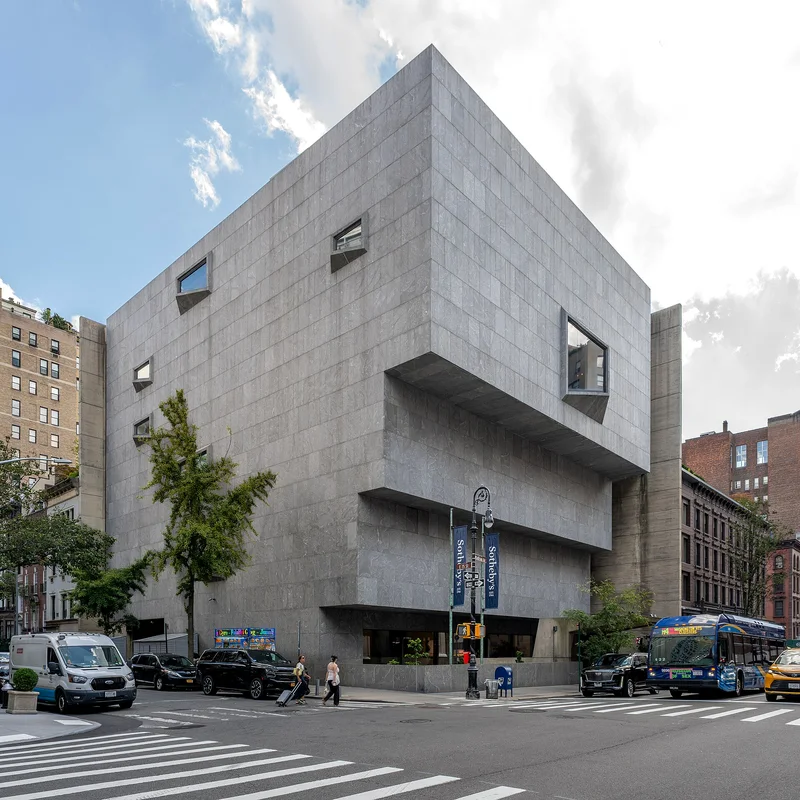
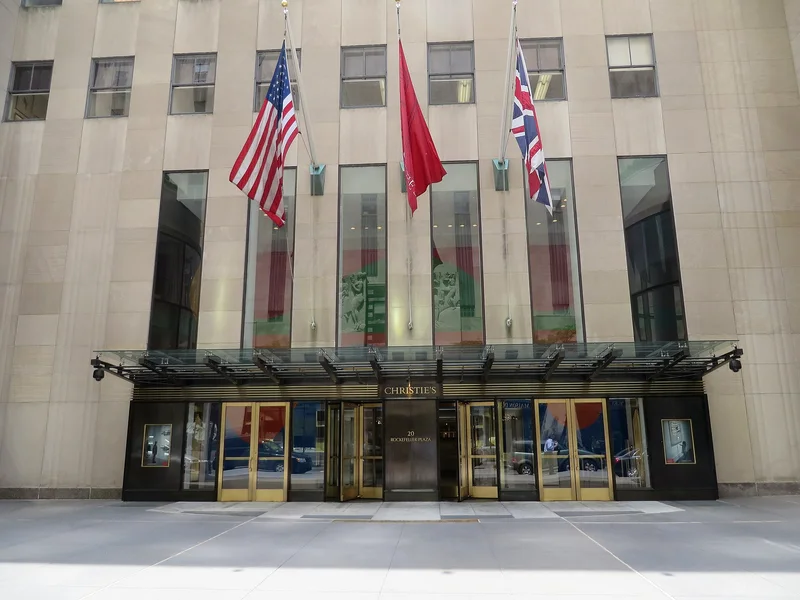
Sotheby’s took $777.8m in two back-to-back evening sales, its highest total ever for a single evening. Christie’s 20th Century Evening Sale made $626.6m, up from $471.7m a year earlier. Phillips reached $104.4m, up 55% year on year, led by Modigliani’s Tête (1911) at $44.6m (Artsy).
Before the sales, around 64% of the evening estimates were already guaranteed (Artnet). In plain terms: the auction houses and their backers were confident only where the story behind a work was strong.
The Van Gogh: a story, a family and a settled claim
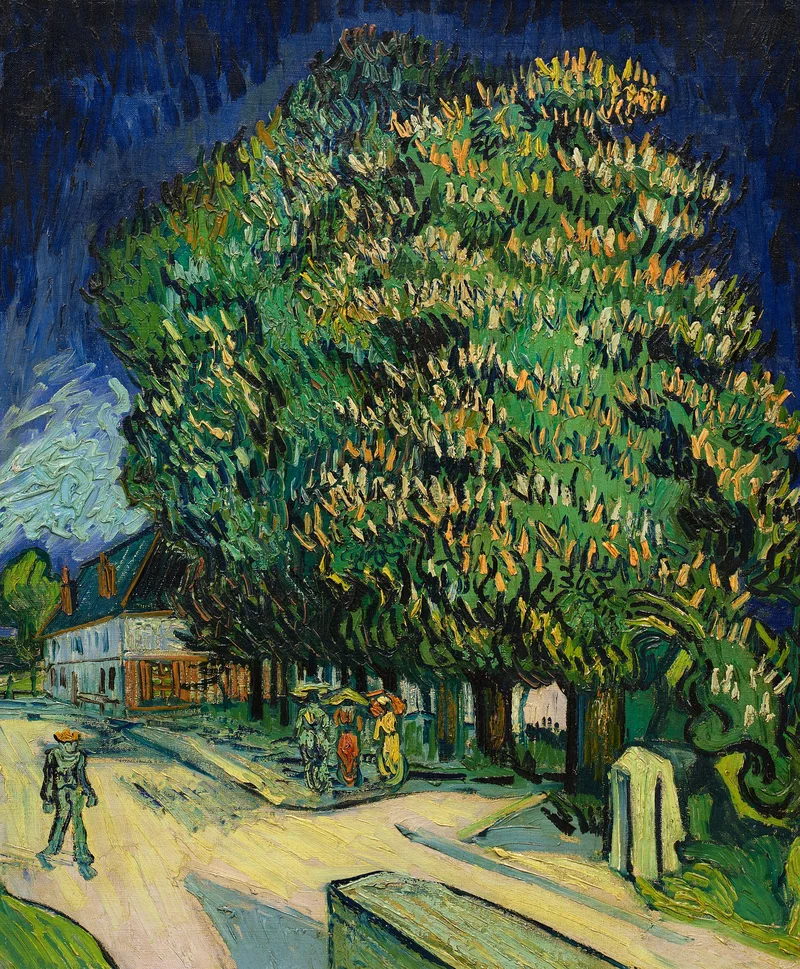
The week’s top lot came from the Argentine collection of Nelly Arrieta de Blaquier and Carlos Pedro Blaquier, twelve Impressionist works dubbed a “mini Musée d’Orsay”. The single-owner sale made $412m.
Van Gogh’s Châtaigniers en fleurs, painted in Auvers-sur-Oise in May 1890, two months before his death, sold for $190.4m to dealer William Acquavella. It is the fourth-highest price ever paid for a work at auction, far above Van Gogh’s previous record of $117.2m set in 2022.
There is an important detail. Shortly before the sale, heirs of the former owners Hedwig and Samuel Fischer claimed the painting had been sold under Nazi-era duress in the 1930s. A private agreement allowed the sale to go ahead.
Clean title is not a formality. At this level, it is part of the price.
Patience pays: three works, three decades
The most instructive results were not the biggest ones. They were works that came back to market after long holding periods.
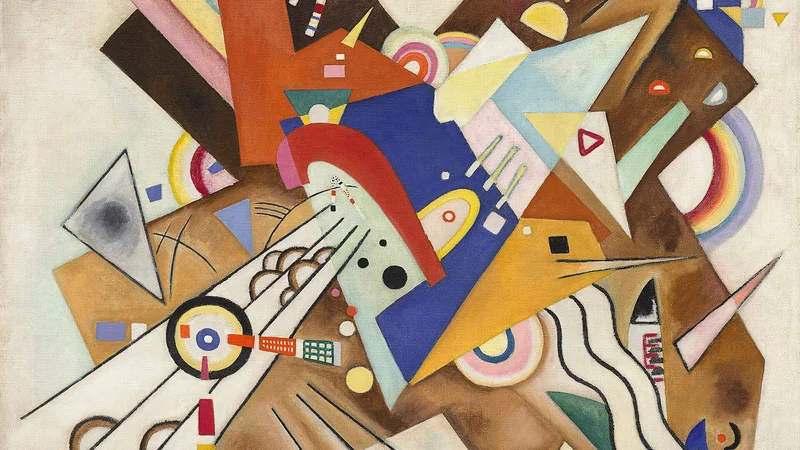
- Kandinsky, Betonte Ecken (1922–23). Sold for $61,000 in 1964, bought by the Nahmad family for $1m in 1986, sold this month for $85.8m. It was the first Kandinsky acquired by Hilla Rebay, adviser to Solomon R. Guggenheim.
- Sam Francis, Towards Disappearance I (1958). Bought for $3.41m in 1999, sold for $17.1m, a new artist record.
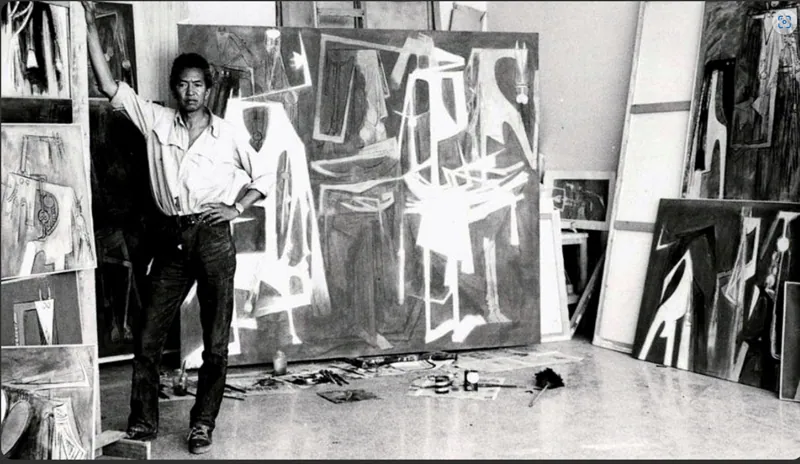
- Wifredo Lam, Ogue Orisa (1943). Bought for $1.32m in 1997, sold for $11.6m, also a record, helped by Lam’s first full US retrospective at MoMA. We wrote about Lam’s bond with Picasso in Picasso and Wifredo Lam: Who Inspired Whom?.
Rediscovery: the other way to win
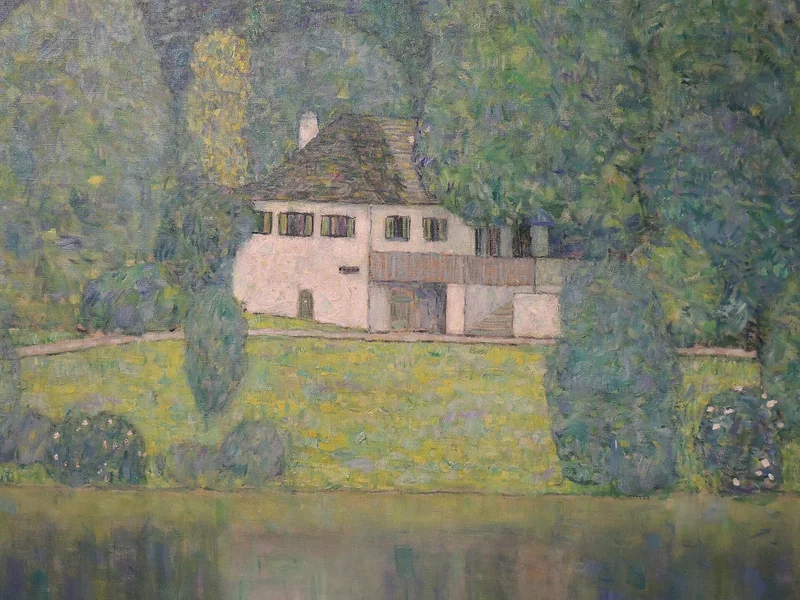
Twenty artist records were set during the week. Some came from names long underrated by the market.
- Aaron Douglas, leading figure of the Harlem Renaissance: Harriet Tubman (1931), estimated $2.5–3.5m, sold for $14.48m. His previous record was $600,000.
- Yayoi Kusama: an early Infinity Nets painting, No. 3P.B. (1960), sold for $15.1m, three months after the artist’s death.
- Mary Cassatt, Fernando Botero and Hans Bellmer also set new highs.
Museum exhibitions, scholarship and a fresh story moved these prices more than fashion did.
What it means for collectors
- Provenance is value. Documented ownership, exhibition history and clear title turn a good work into a sought-after one.
- Quality over quantity. As in earlier cycles we covered, such as Magritte’s record at Sotheby’s and Mondrian’s record sale, the top of the market keeps rewarding rare, museum-grade works.
- Time is an ally. The best results came from owners who held for 25 years or more. Art is a long-term asset, as we explained in Art to the rescue for finance.
- Soft markets create openings. Below the trophy level, bidding was uneven. For buyers, that can mean better access to strong works, a point we made in why a high-end downturn can benefit collectors.
Sources: Artsy, “20 New Artist Auction Records Set in November 2026”; Artnet, “The Stats Behind New York’s $2B Auction Week”; ARTnews, “Who’s Really Selling at Sotheby’s and Christie’s November Auctions?”.