"Dealing Art is Better than Dealing Drugs"
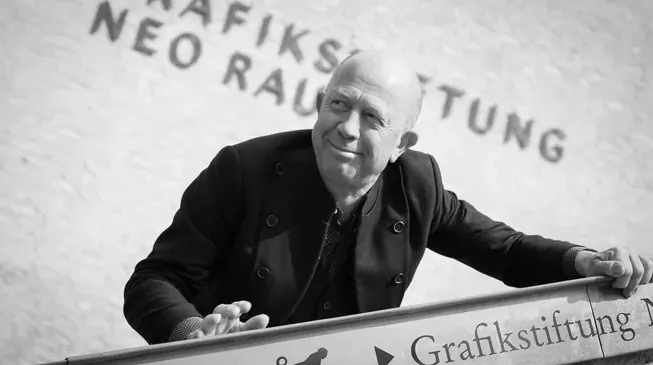
Art prices have been rising for years. In this podcast, gallerist Gerd Harry Lybke talks about the beauty and insanity of the market—and what matters for beginners.
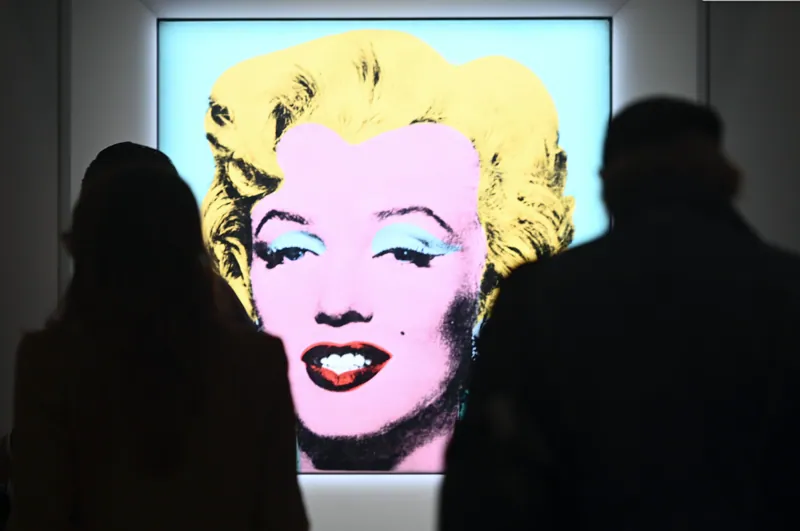
Interest in art has long been on the rise. At least, if one uses art market turnover as a yardstick. After a pandemic-related slump in 2020, sales rose to 65 billion dollars last year—a new record.
So, should one put their money into art now? Or is this just a hype, and will prices soon drop significantly?
In a new episode of our economics podcast, hosts Lisa Nienhaus and Lisa Hegemann ask the question: Art—is it a bubble? Guests include ZEIT author Tobias Timm and one of Germany's best-known gallerists: Gerd Harry Lybke.
The hosts speak with Lybke about his beginnings in the GDR and his transition into capitalism after the fall of the Wall. Lybke explains why every work of art today costs at least 500 euros to start, how much of that goes to the gallerist versus the artist—and why there is no art hanging on the walls of his own home. When someone comes to him because they would rather acquire art than stocks, he says: "Dealing art is better than dealing drugs, he’s right about that." He also offers tips for beginners starting with little money.
The hosts and their guests discuss whether NFT crypto-art is a bubble, or if the label applies to certain specific artists or even the art market as a whole.
In the economics podcast Ist das eine Blase? (Is this a Bubble?), Lisa Nienhaus, Jens Tönnesmann, and Lisa Hegemann talk every Monday about what holds the world together at its core: money, power, and justice. Always with a guest—and an animal.
Source: By Lisa Nienhaus and Lisa Hegemann